Weekly Digest 24-30 August | Offline translators, Edge AI & Matrix Displays
News, News & Feeds 3d printing, open-source, raspberry pi, sensors, Tech 0
Welcome back to another round of hardware news, engineering deep dives, and maker inspiration from PiShop! Whether you’re embedding local neural networks onto single-board computers, automating physical mechanisms, or pushing the boundaries of 3D printing, we’ve rounded up outstanding articles and videos this week to fuel your next workbench project.
Featured News & Guides
Compact Offline AI Translation on Raspberry Pi
Over on Geeky Gadgets, Julian Horsey breaks down an impressive rebuild of Google’s offline translation hardware using the Raspberry Pi Hat+.
The original setup was a bit bulky, requiring separate USB mics, external speakers, physical buttons, and rotary encoders. Maker Jdaie Lin overhauled the build by consolidating everything into a single, compact HAT-based form factor aligned with the Raspberry Pi footprint. It’s got a little bit of everything from Edge-AI capabilities to integrated audio and even an all-in one interface
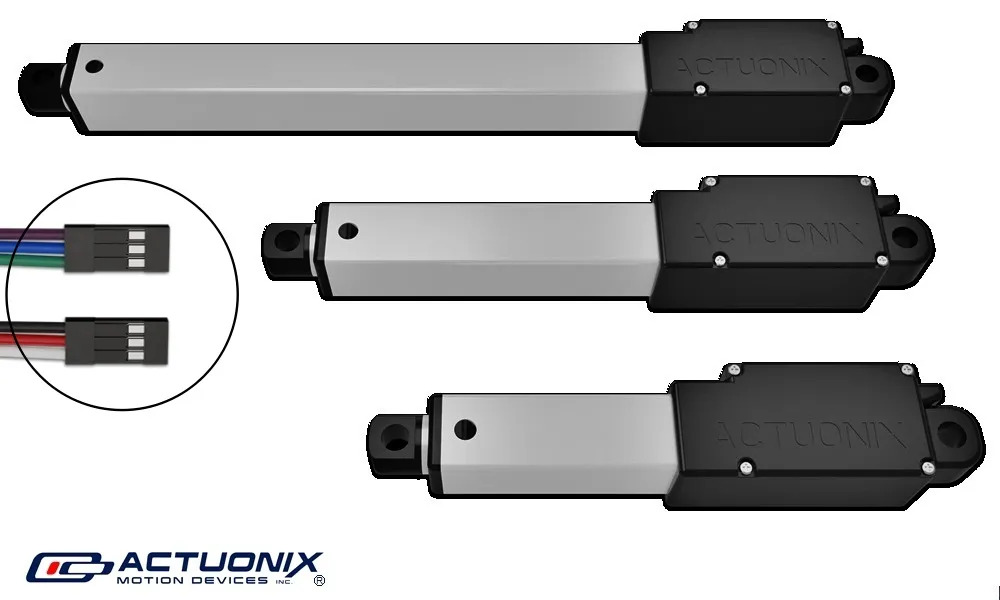
Driving Motion: A Practical Guide to Electric Linear Actuators
If you’ve ever wanted to add precise, automated push-and-pull motion to your robotics or home automation builds, EDN’s comprehensive guide to Electric Linear Actuators (ELAs) by T.K. Hareendran is a must-read.
Linear actuators bridge the gap between rotational motor torque and straight-line mechanical force. This article walks through their core internal anatomy, control methodologies, and practical drive options:
Cutting-Edge Research in Additive Manufacturing
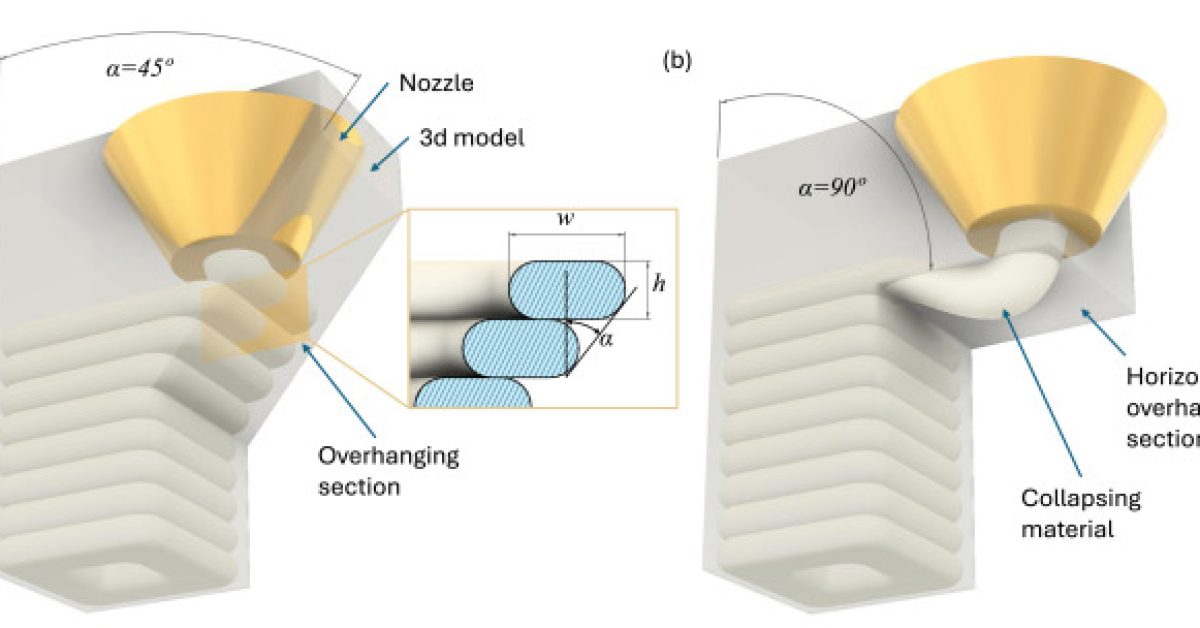
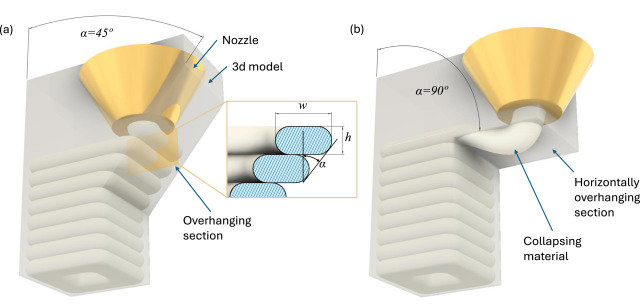
For our 3D printing enthusiasts looking to dive into the academic side of additive manufacturing, a recent open-access paper published in Additive Manufacturing Letters via ScienceDirect tackles critical challenges in advanced 3D printing mechanics and overhang execution.
Why It Matters:
Toolpath & Slicing Innovations: The paper examines toolpath generation algorithms and deposition dynamics designed to overcome extreme geometry limits—such as severe overhangs—without relying on heavy support material.
Process Optimization: Insights from research like this help inform next-generation slicing software and extrusion control, ultimately helping makers achieve cleaner prints with less material waste.
Honorable Mention
Building a Physical Optical Amiga MOD Player
Retrocomputing wizard RobSmithDev recently unveiled a wild, custom-engineered hardware project at the UK Amiga Kickstart Expo: a physical optical disc player designed to play classic Amiga ProTracker MOD files.
What started as an idea to print tracker sheets onto continuous dot-matrix paper evolved into a vinyl-like optical disc format printed at 1200 DPI. Audio data and notation patterns are printed in concentric rings onto clear discs, front and back, resembling a hybrid between vinyl grooves and QR-style data encoding.
The video offers a deep dive into audio compression, mechanical alignment constraints, and the custom code format developed to compress full tracker tracks into printable, optically scannable rings.
Conclusion
Whether you’re looking to build your own pocket AI translator, add motion control to your micro-controllers, tweak your 3D printer’s slicing parameters, or dive into retro computing, all the boards, HATs, and hardware components you need are available on the PiShop Africa Store.
Got a project you’re currently working on? Drop a comment below or tag us on social media, we’d love to feature your build in an upcoming digest!