Weekly Digest 1-11 September | Microcontroller Generative AI, Custom DEF CON Wearables & Next-Gen Retro Gaming
Welcome to another edition of our weekly digest! Every week or so, we scour the web for the coolest maker projects, engineering deep dives, custom hardware mods, and open-source innovations to bring you a handpicked selection of inspiring builds.
Whether you’re looking to run machine learning on tiny silicon or craft your own customized retro gaming setup, here is what’s captured our attention this week.
Featured News & Guides
Generative AI Image Generation on the RP2350 Microcontroller
Generative AI usually requires high-end desktop GPUs with gigabytes of VRAM. Tim over at cpldcpu set out to break that rule by running a complete Flow-based Latent Diffusion Transformer (DiT) model directly on the RP2350 microcontroller, the same chip powering the Raspberry Pi Pico 2!
Using a custom 5-class model trained on human faces, the setup generates 128×128 RGB images in about 10–20 seconds per image, outputting directly to a VGA monitor using a Pimoroni VGA expansion board or streaming via USB. Running on the Pico 2’s dual Cortex-M33 cores with less than 4 MB of flash storage and only 520 KB of RAM, this project is a incredible masterclass in model quantization, weight streaming, and edge machine learning optimization.

Building a Custom AMOLED Cyberpunk Choker for DEF CON
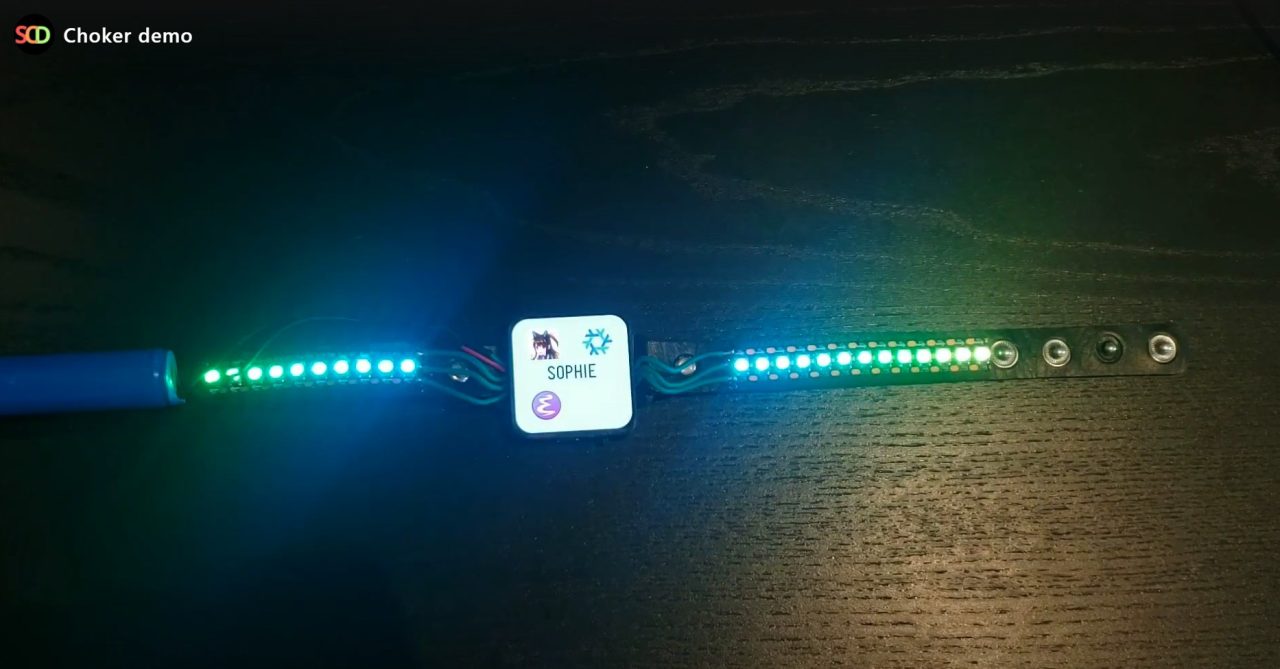
Looking to make friends at hardware hacking conventions, developer SCD31 designed a custom electronic choker built specifically to turn heads at DEF CON.
Built around a sleek, 480×480 square AMOLED touchscreen display (the Hello Lighting HL020E21-02) and powered by an RP2350 using embedded Rust and Embassy, the choker renders real-time color-changing animations, custom interactive drawing modes, and side LED effects. The entire project features a custom-designed FreeCAD enclosure, double-layer PCB, and standard AliExpress leather integration—though the author notes that an 18650 cell strapped directly to your neck will draw equal parts awe and concern from fellow hackers!
Our Binge Watches of the Week
Retrofitting a Custom Retrowave Digital Dash into a Nissan Z31
If you love 80s aesthetics paired with modern telemetry, YouTuber Blitzen Design Lab breaks down how he designed and installed a full custom Retrowave Digital Dashboard inside his classic Nissan 300ZX (Z31).
Moving beyond slow Raspberry Pi solutions that struggled with fluid frame rates, this project leverages custom CAN-bus sniffing, tailored graphics rendering, and modern microcontrollers to output high-frame-rate digital gauge clusters that look like they stepped straight out of Tron. In the video, he covers CAN-bus message mapping, LCD housing design, and key considerations when bringing modern digital instrumentation to vintage sports cars.
The DSPico IR: Upgrading Nintendo DS Flash Carts with the RP2350
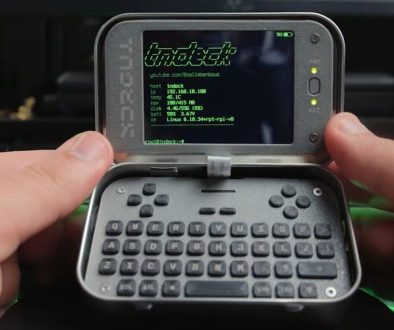
Macho Nacho Productions takes an in-depth look at the DSPico IR, the next-generation Nintendo DS flash cart powered by the Raspberry Pi RP2350.
Building on the original DSPico, this upgraded hardware revives hardware infrared (IR) support, enabling full compatibility with peripheral-dependent games like Pokémon and the classic Pokéwalker accessory, via custom PIO state machines. Beyond IR capabilities, the upgraded board features increased onboard RAM, direct USB-C connectivity for updates and management, reduced power consumption, and real-time game decompression for ultra-fast loading of DS titles, DSiWare, homebrew, and retro emulators.
Craft Your Own Retro-Style 4:3 Gaming Monitor
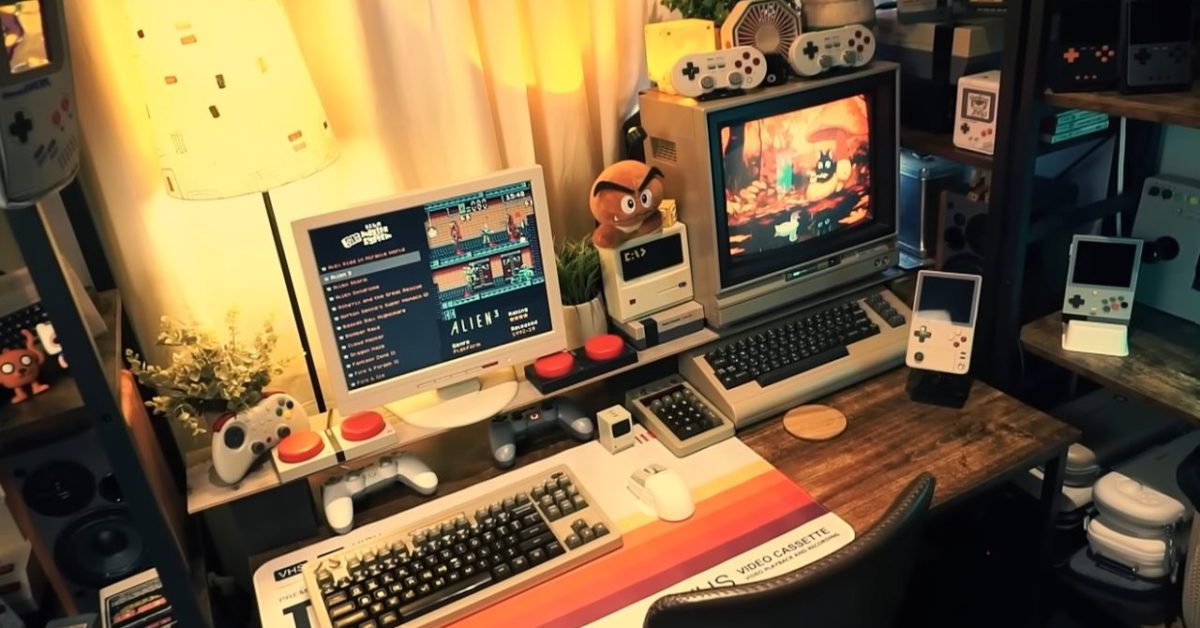
If CRT monitors are too heavy, power-hungry, or hard to come by for your retro gaming nook, TechDweeb offers a clever, budget-friendly alternative: custom-painting modern 4:3 LCD screens!
In this guide, TechDweeb walks through selecting affordable modern 4:3 display panels (like 17-inch LED monitors), masking sensitive components, choosing the right retro “beige” satin spray paint, and finishing the details on buttons and bezels. It’s a quick, accessible DIY weekend build that delivers authentic 90s desktop aesthetics without requiring specialized technical skills or high costs.
Conclusion
We’ve got quite an interesting line -up of projects this week. A nice blend of retro and modern technology pushed to it’s limits. Those generated pictures definitely feel a bit uncanny though.
Have you built something awesome with a Raspberry Pi, ESP32, or RP2350 recently? Drop a link in the comments below or tag us on social media, we’d love to feature your build in an upcoming Weekly Digest!