
How to survive a 14 hour commute with Raspberry Pi
News, News & Feeds portable, raspberry pi, raspberry pi 5, server, Tech 0
A fantastic project by u/ByCanyonSmith has the ability to turn your long commutes by car, train and plane into a binge watch session! This isn’t a flashy desk toy or a “because I can” build—this is a project born out of necessity, refined by good engineering, and powered by sheer stubbornness.
What They Built (And Why I Want One)
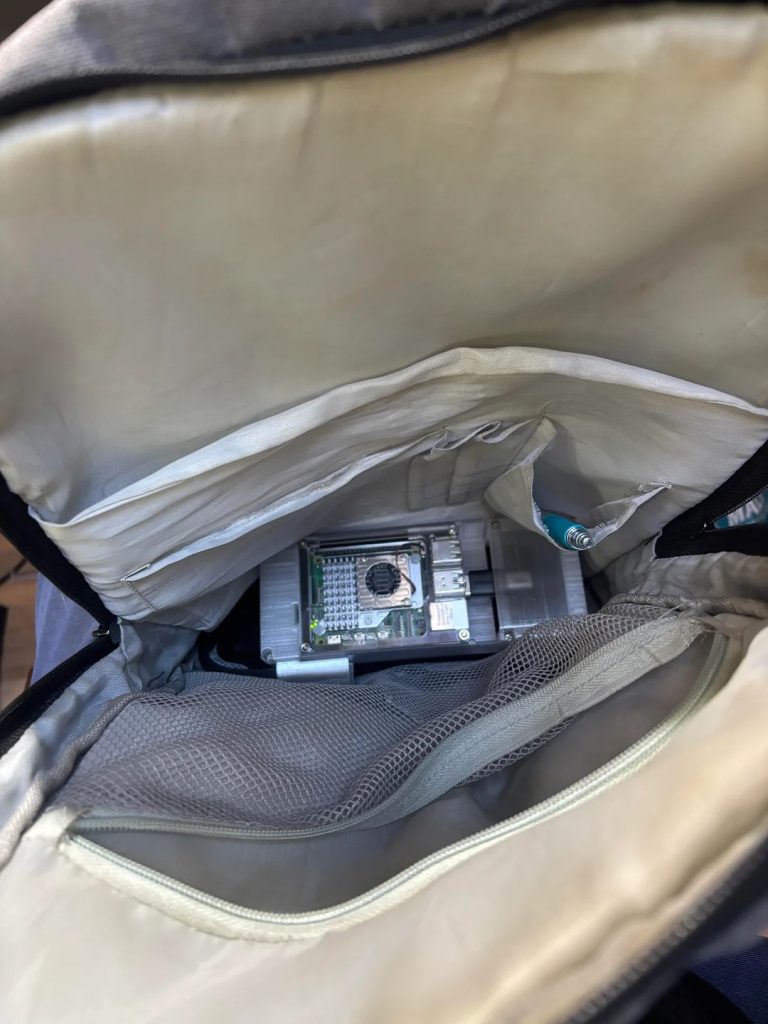
Breaking it down to the basics, this project is a battery-powered Raspberry Pi server designed to run all day. The heart of this project is a Raspberry Pi 5 8GB with a 4 TB USB-C SSD, essentially becoming a mobile storage platform.
What makes this project unique? The power! Leaning fully into USB-C power deliverability instead of under-powering the pi and hoping for the best is where this project truly shines. This is done by using:
- 1 x 24000 mAh power bank
- 1 x 140 W GaN charging transformer
- High-spec 240 W-rated USB-C cables
This combo allows the Raspberry Pi to run without brown-outs or throttling, something this a lot of “portable projects” tend to struggle slightly with.
Thermals are handled just as deliberately. A proper heatsink and fan, mounted inside a standard Pi case, keeps sustained loads from cooking the board during long runtimes. Meanwhile, the SSD runs over USB-C / USB 3.0 with adapters on hand for flexibility, making storage fast and portable. You can throw the fastest Pi and biggest SSD at a project, but if your cables, power bank, or charger can’t negotiate proper USB-C PD, the whole thing falls apart. The choice to use 240 W-rated cables and a GaN transformer isn’t overkill—it’s what makes the 14-hour runtime reliable instead of theoretical.
There’s also something deeply satisfying about seeing a Pi 5 used as a real tool. This isn’t sitting on a shelf blinking LEDs. It’s running through commutes, living in a bag, booting up day after day. That’s when Raspberry Pis stop being “projects” and start being personal infrastructure.
What's Next?
This build already nails its goal, but it opens the door to some fun evolutions:
- Logging power draw and thermal data over time to fine-tune efficiency even further (because of course we’d do that).
- A single cable dock at home for Ethernet, HDMI, and peripherals—turning the commute server into a full desktop when you arrive.
Ultimately, this project proves that with the right parts—and a bit of power-delivery literacy—you can build a Raspberry Pi system that lasts longer than your day. And honestly? That’s way cooler than another desk-bound Pi collecting dust.