Top 8 Raspberry Pi Projects for Kids & Teens
Beginner, Getting Started, Home Automation, Other, PiShop, Platforms, Projects, Raspberry Pi, Robotics, Skills beginner, coding, getting started, raspberry pi, robotics, scratch, sensors, Tech 0
Getting started with a Raspberry Pi can feel a little intimidating, especially if you don’t have any coding experience—but don’t worry! There are plenty of beginner-friendly projects that make it easy to dive in, learn as you go, and start building your very own homelab. With the right guidance, you’ll be creating fun, hands-on projects in no time.
1. Retro Gaming Console (RetroPie)
Turning a Raspberry Pi into a retro gaming console is one of the most exciting starter projects for kids and teens. Using software like RetroPie, they can play classic games while learning how to install an operating system, connect controllers, and manage files on a Linux-based system. It’s a great way to introduce technical concepts through something fun and familiar, and it often sparks curiosity about how modern games and consoles work behind the scenes.
Why it’s great:
Kids love games, and teens learn Linux basics without realizing it.
What they learn:
Installing an OS
File management
Controllers & USB devices
Skill level: Beginner
Extra tip: Use this as an intro to emulation and game history.
2. Scratch-Powered Mini Games
Scratch is a visual programming language designed for beginners, making it ideal for younger kids who are just starting to learn how code works. On a Raspberry Pi, kids can create their own simple games, animations, and interactive stories using drag-and-drop blocks instead of written code. This project helps build logical thinking, creativity, and problem-solving skills without the frustration that can come with traditional programming languages.
Why it’s great:
Scratch is perfect for younger kids and visual learners.
What they learn:
Logic & sequencing
Event-driven programming
Creative problem solving
Skill level: Beginner
3. Smart LED Light Project
A smart LED project is a perfect introduction to electronics and physical computing. By connecting LEDs to the Raspberry Pi’s GPIO pins, kids and teens can write simple Python scripts to control when lights turn on, off, or change colour. The instant visual feedback makes learning exciting, while also teaching important concepts like circuits, input/output, and basic programming logic.
Why it’s great:
Instant visual feedback keeps kids engaged.
What they learn:
GPIO basics
Simple Python scripting
Electronics safety
Skill level: Beginner → Intermediate
Extra tip: Add buttons or a web interface later.
4. Weather Station with Sensors
Building a weather station allows kids and teens to combine technology with real-world science. Using sensors to measure temperature, humidity, or air pressure, the Raspberry Pi can collect and display live weather data. This project introduces concepts such as data collection, sensor communication, and basic data analysis, making it a popular choice for school projects and science fairs.
Why it’s great:
Combines science with tech and works well for school projects.
What they learn:
Reading sensor data
Data logging
Basic data visualization
Skill level: Beginner → Intermediate
Extra tip: Display data on a small screen or web dashboard.
5. Raspberry Pi Robot (Line Follower or Obstacle Avoider)
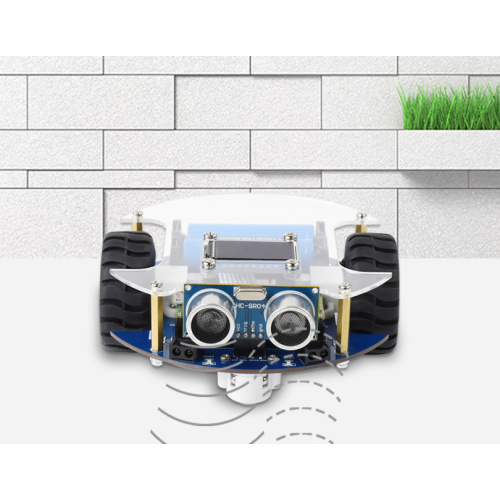
Robotics projects are always a hit, especially for teens who enjoy hands-on challenges. With a Raspberry Pi, motors, and simple sensors, kids can build a robot that follows a line or avoids obstacles. This project teaches problem-solving, logical thinking, and basic engineering principles, while showing how software and hardware work together to control movement and behaviour.
Why it’s great:
Robots are always exciting and very hands-on.
What they learn:
Motors & movement
Sensors (IR / ultrasonic)
Problem solving
Skill level: Intermediate
6. Home Security Camera
A Raspberry Pi home security camera project introduces kids and teens to cameras, networking, and motion detection. Using a camera module and open-source software, they can build a system that streams live video or captures images when movement is detected. It’s a practical project that feels “real-world” while also opening up discussions about privacy, security, and responsible use of technology.
Why it’s great:
Feels “real-world” and useful.
What they learn:
Camera modules
Motion detection
Networking basics
Skill level: Beginner → Intermediate
7. Digital Clock or Smart Alarm
Creating a digital clock or smart alarm is a simple but rewarding project that helps beginners understand time-based programming. Using a display and a few lines of code, kids can show the time, set alarms, or even add features like weather updates. This project is highly customisable, encouraging experimentation and creativity while reinforcing basic programming concepts.
Why it’s great:
Practical and customizable.
What they learn:
Time & scheduling
Displays (LCD / HDMI)
UI basics
Skill level: Beginner
8. Simple Web Server or Personal Website
Hosting a personal website on a Raspberry Pi is a great way for teens to learn how the internet works. By setting up a basic web server, they can create and host a simple website using HTML and see how content is delivered over a network. This project introduces web development and networking fundamentals and gives kids a platform to showcase their projects or share what they’ve learned.
Why it’s great:
Shows how the internet actually works.
What they learn:
HTML basics
How servers work
Networking fundamentals
Skill level: Beginner → Intermediate
Conclusion
Whether they’re building games, robots, or smart devices, these hands-on projects encourage creativity, curiosity, and confidence with technology. Best of all, each project can grow in complexity as skills improve, making the Raspberry Pi a long-term learning tool rather than a one-time activity. With the right guidance and a bit of experimentation, today’s small projects can spark a lifelong interest in making, coding, and innovation.