I Built a Bomb So You Don’t Have To (KTANE, IRL Edition)
News, News & Feeds 3d printing, Ardunio, KTANE, sensors, Tech 0
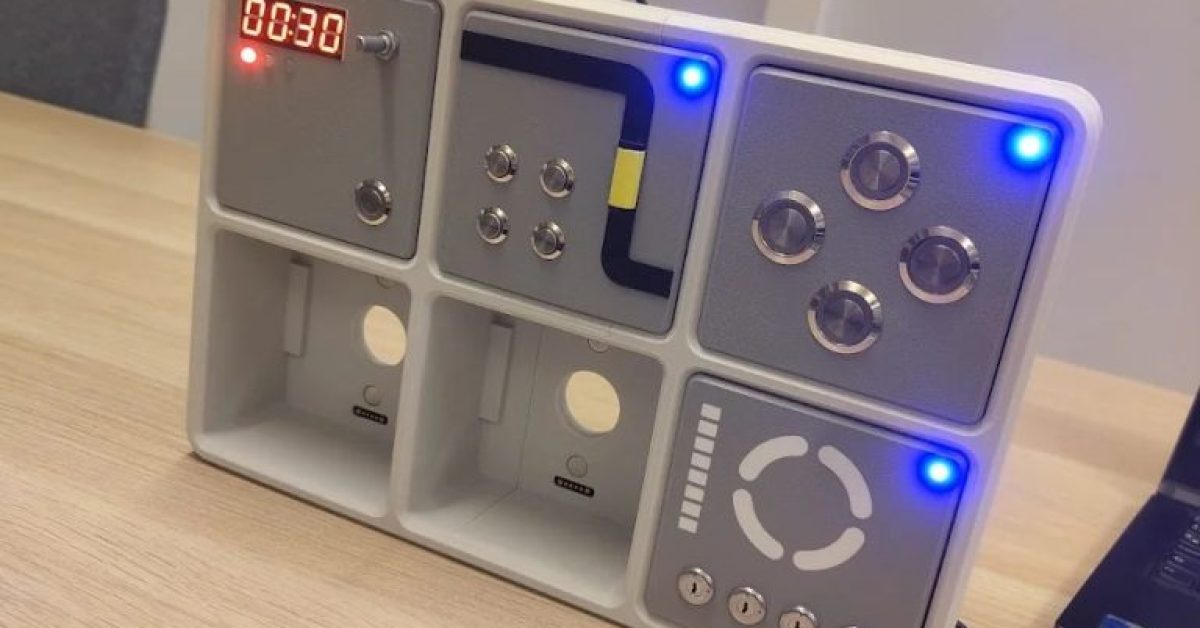
The recent Reddit post by two makers (u/EDDE_PEDDE & a friend) who built a fully working, real-life Keep Talking and Nobody Explodes bomb instantly stopped my scroll—and honestly raised my heart rate a little. This is exactly the kind of “why would you do this… oh wow, that’s incredible” project the maker community lives for.
What They Built (and Why It's Explosively Genius)
In short: they recreated the chaotic stress of KTANE in physical form using Arduino hardware, real buttons, switches, LEDs, displays, and multiple interactive puzzle modules.
Each module behaves like its in-game counterpart—requiring logic, pattern recognition, timing, and communication with a separate “defuser” using a manual. The bomb tracks strikes, time pressure, and win/lose states, coordinating everything through microcontrollers rather than just faking the experience with props.
The genius lies in the system design. This isn’t one Arduino doing a party trick—it’s a modular, state-driven puzzle system where hardware inputs are the gameplay. Every toggle, wire, and button press matters, and the whole device enforces the same rules that make the video game such a tense cooperative experience.
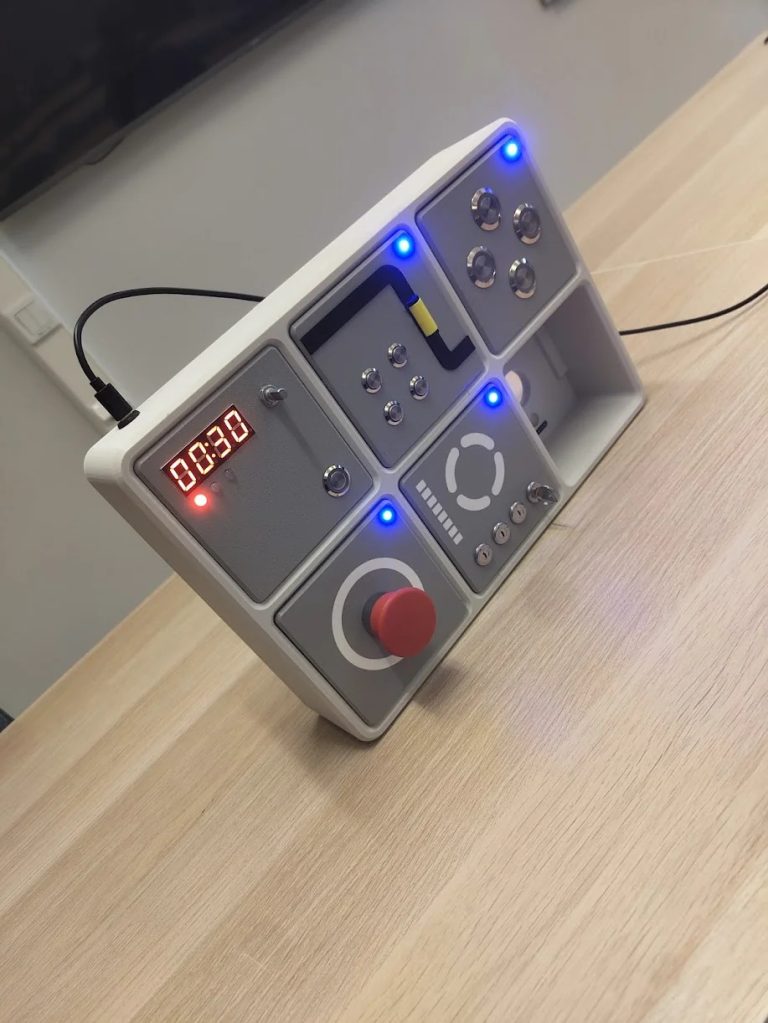
My immediate reaction? The sheer commitment to authenticity is what makes this project shine.
It would have been easy to cheat—run everything off a single script, simplify the logic, or gloss over edge cases. Instead, they leaned into complexity: real failure states, real timing pressure, real consequences. This is the kind of build where debugging is part of the emotional journey, much like defusing the bomb itself.
There’s also something beautifully unhinged about voluntarily recreating one of the most stressful games ever made… and then wiring it so it can physically betray you. That level of dedication is peak maker energy.
What's Next?
The obvious next step? Expandability and chaos.
Imagine a companion app that generates seeds, tracks performance, or unlocks harder modes over time. A multiplayer tournament setup? A Halloween escape-room variant? The groundwork is already there.
If anything, this project is a reminder that some of the best builds aren’t about practicality—they’re about experience. And this one absolutely nails it.